
"coffee taste evolution"
800 article(s) found

An introduction to the Ecuadorian Coffee Hassanda Coffee Garden, known as the "Equatorial country".
Most countries in the world are rich in only one kind of coffee beans, while Ecuador is one of the few countries in the world that can produce both Arabica coffee beans and Robusta coffee beans. The Ecuadorian Coffee tasting, sponsored by the Consulate of Ecuador in Guangzhou, was recently held at the Art Cafe in the Guangdong Provincial Museum. Gaoshandou joining the rose is so amazing in 2014.

Brazilian bourbon coffee is characterized by Brazilian yellow bourbon coffee with a strong nutty flavor.
Professional barista exchanges please follow the coffee workshop (Wechat official account cafe_style) Brazil Bourbon / Bourbon Brazil coffee planting industry evolution is legendary, the output accounts for a large proportion of the world's total coffee bean production, Bourbon Brazil belongs to the Arabica Bourbon variety, is an ancient native variety of Brazil, using traditional drying and delicate treatment, so that it has

Introduction to the characteristics of Ethiopian Coffee Flavor description and Grinding method
Ethiopia is the birthplace of the famous Arabica coffee beans, and people have always maintained the tradition of harvesting wild coffee beans. The coffee garden at an altitude of more than 1500 meters has formed a unique coffee style after thousands of years of evolution and adaptation. Ethiopian coffee grown in the natural wild environment is called wilderness coffee, which retains the most primitive and natural taste of coffee beans.

Sidamo Fruit Fruit Coffee with Light to moderate Baking and washing Nuts
The coffee-producing region of Ethiopia is divided into east and west parts by the East African Rift Valley, with lakes, volcanoes, lowlands, plateaus and woodlands interlaced, each evolving. Ethiopia has the most diverse coffee ecosystem in the world (forest coffee, semi-forest coffee, pastoral coffee and plantation coffee), which also preserves its rich Arabica genes. The eastern half is mostly plateaus, coffee beans.

Introduction of Nicaraguan Coffee Manor Los Congo Manor in Central Central America
Nicaraguan coffee is grown in fertile volcanic soil, and SHG is the best harvested from 1500 to 2000 meters above sea level. The local climate belongs to alpine terrain, which is surrounded by thick fog throughout the year and covers the whole mountain forest, resulting in a low-temperature and humid climate. Years of mating evolution of tree species, coupled with insisting on the ancient and time-consuming treatment process, retain natural acidity and strong aroma, and shade is used.

Taste mild, Ecuadorian coffee producing area manor introduces San Cristobal producing area
The coffee beans produced in Guadore's Galapagos Islands are organic coffee beans, thanks to the unique ecological environment such as volcanic soil and microclimate, coupled with the fact that they do not use any chemical fertilizers or pesticides, they are recognized as natural green boutique coffee. this naturally grown coffee has a mild taste with a hint of flowers and fruit and caramel. It is understood that the Galapagos Islands are far from Ecuador.

Ecuadorian coffee comes from the seductive beans of the equator
Most countries in the world are rich in only one kind of coffee beans, while Ecuador is one of the few countries in the world that can produce both Arabica coffee beans and Robusta coffee beans. The Ecuadorian Coffee tasting, sponsored by the Consulate of Ecuador in Guangzhou, was recently held at the Art Cafe in the Guangdong Provincial Museum. Organic beans, flowers and fruits, caramel smell to the nostrils according to the melon

Introduction of Brazilian Coffee Esse Coffee Bean producing area description of flavor characteristics of Guji rambutan coffee beans
Professional coffee knowledge exchange more coffee bean information please follow the coffee workshop (Wechat official account cafe_style) flavor description dried fragrance is sweet-scented osmanthus, sugar fried chestnut, strawberry, sipping is raspberry, jasmine, mangosteen, melon and other tropical fruit aromas. Production area information Ethiopia Guji production area 1800 meters ~ 2100 meters beans information 2019 production season sun native species although
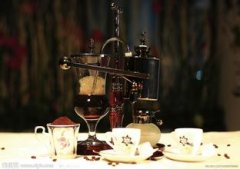
How many kinds of coffee do you know that are more precious than the Blue Mountains?
Coffee name: Napoleon Origin: British St. Helena (Saint Helena Island, the claustrophobic island where the hero Napoleon was exiled) Farm: Napoleon Farm Variety: Bourbon Coffee name: blue Elise (Elise Blue) Origin: French New Caledonia (New Caledonia Island) Farm: Caf Kua

Introduction of Santa Cruz Manor in Ecuador Coffee Flavor Manor
The coffee beans produced in Ecuador's Galapagos Islands are organic coffee beans, thanks to the unique ecological environment such as volcanic soil and microclimate, coupled with the fact that they do not use any chemical fertilizers or pesticides, they are recognized as natural green boutique coffee. this naturally grown coffee has a mild taste with a hint of flowers and fruit and caramel. It is understood that the Galapagos Islands are far from Eritrea.
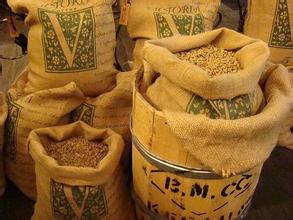
Djimmah, an Ethiopian coffee producing area, follows the ancient method to take the sun treatment class.
The coffee-producing region of Ethiopia is divided into east and west parts by the East African Rift Valley, with lakes, volcanoes, lowlands, plateaus and woodlands interlaced, each evolving. Ethiopia has the most diverse coffee ecosystem in the world (forest coffee, semi-forest coffee, pastoral coffee and plantation coffee), which also preserves its rich Arabica genes. The eastern half is mostly plateaus, coffee beans.

Coffee bean baking common sense science is quietly integrated into art
What people think is the most important sense of art and sensory judgment is gradually replaced by science and tools, in other words, the memories that people used to rely on in baking are gradually replaced by objective, collective data and charts. The evolution of baking described in the previous paragraph has been created by the invention of many tools and control instruments. The first is a very simple device that can

The temptation of Ecuadorian boutique coffee from the equator the uniqueness of Ecuadorian boutique coffee
Most countries in the world are rich in only one kind of coffee beans, while Ecuador is one of the few countries in the world that can produce both Arabica coffee beans and Robusta coffee beans. The Ecuadorian Coffee tasting, sponsored by the Consulate of Ecuador in Guangzhou, was recently held at the Art Cafe in the Guangdong Provincial Museum. Organic beans, flowers and fruits, caramel smell to the nostrils according to the melon

Introduction to the flavor and taste of the boutique coffee manor in the alpine coffee producing area of Ecuador
Mr. Veniso, winner of the 2014 Ecuador Coffee Competition, told reporters that some of the Ecuadorian coffee is espresso made from Ecuadorian alpine coffee beans. This coffee comes from a mountain area about 1000 to 2000 meters above sea level and has a mellow taste with aromas and sweetness of fruit, grass and chocolate. Some add thin coffee from the Amazon region to this espresso.

Ecuadorian Coffee introduces boutique coffee beans from the equator Ecuadorian coffee characteristics Ecuador melon
Most countries in the world are rich in only one kind of coffee beans, while Ecuador is one of the few countries in the world that can produce both Arabica coffee beans and Robusta coffee beans. The Ecuadorian Coffee tasting, sponsored by the Consulate of Ecuador in Guangzhou, was recently held at the Art Cafe in the Guangdong Provincial Museum. Organic beans, flowers and fruits, caramel smell to the nostrils according to the melon

Coffee production area of Ecuador introduces Hasunda Coffee Garden boutique coffee beans
According to Ms. Malena, Consul General of the Consulate General of Ecuador in Guangzhou, Ecuador is located in South America, and the equatorial line runs through the country, so it is also known as the country of the equator. its superior geographical location, fertile soil and special climatic conditions create a superior natural environment for coffee bean cultivation, while most countries in the world are rich in only one kind of coffee beans, while Ecuador is one of the few in the world.

Introduction to Santa Cruz Manor in Ecuador Coffee Manor
Almost all the Galapagos Islands coffee on the court comes from San Cristobar. Santa Cruz Island, the second largest island in the Galapagos Islands, is located in the very center of the Galapagos Islands. It is said that this geographical location will form a unique microclimate, so some people think that the coffee on Santa Cruz Island is sweeter and more fragrant than other gallas.

Introduction to the flavor and taste of Galapagos Coffee Manor San Cristobal
The quality of Galapagos coffee is very good, and it is mainly exported to Scandinavia and other Nordic countries, so our people know little about it. As coffee is consumed by people all over the world, the world coffee industry is also moving towards a mass production model. Small-scale planting models like the Galapagos actually limit its development. If the scale is not expanded, it is likely to end up with no profit.

Fruit acid Bright Ethiopian coffee estate producing area Flavor Taste characteristics Variety Brand introduction
Ethiopia's coffee-producing areas are divided into east and west parts by the Great Rift Valley. Lakes, volcanoes, lowlands, plateaus and woodlands alternate and evolve independently. Ethiopia has the most diverse coffee ecosystem in the world (forest coffee, semi-forest coffee, pastoral coffee and plantation coffee), which also allows it to preserve its rich Arabica genes. The eastern half is mostly plateau, coffee bean mouth

Why are all the milk bubbles on the coffee? the skill of playing milk foam with coffee flowers.
Why are the milk bubbles on the coffee? at that time, most of the coffee flowers were focused on the presentation of patterns, but after a long period of development and evolution, coffee flowers were not only visually fastidious, but the ways and techniques of milk's dense taste and fusion have been constantly improved to achieve the so-called color and fragrance in the presentation of the overall taste.